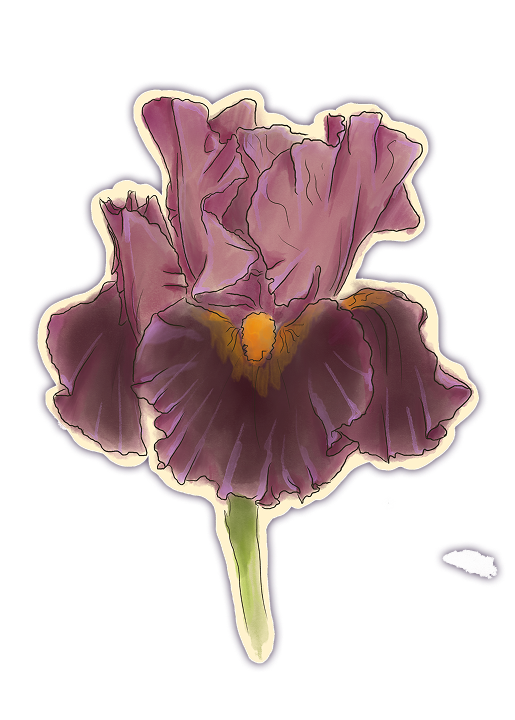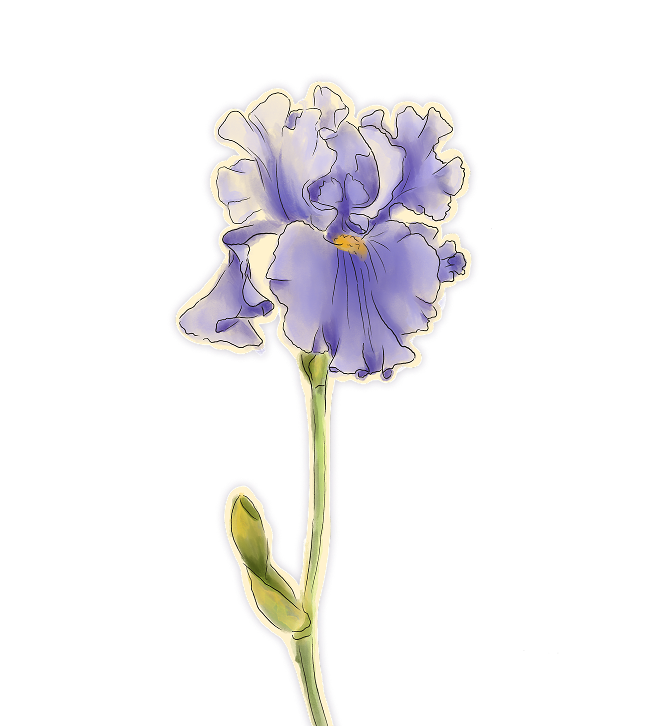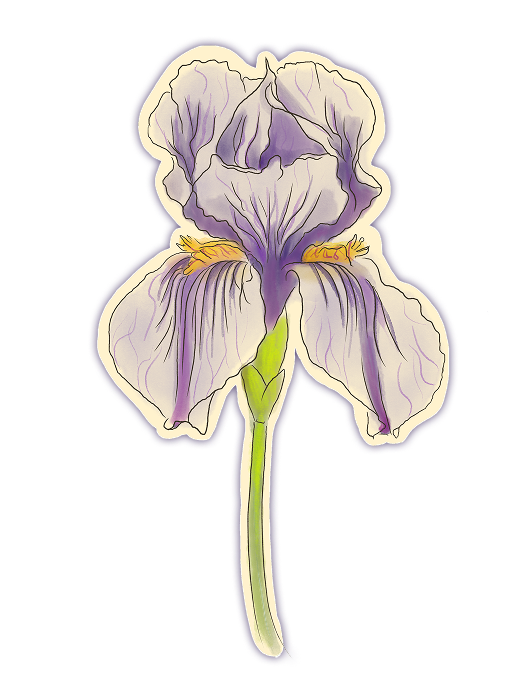
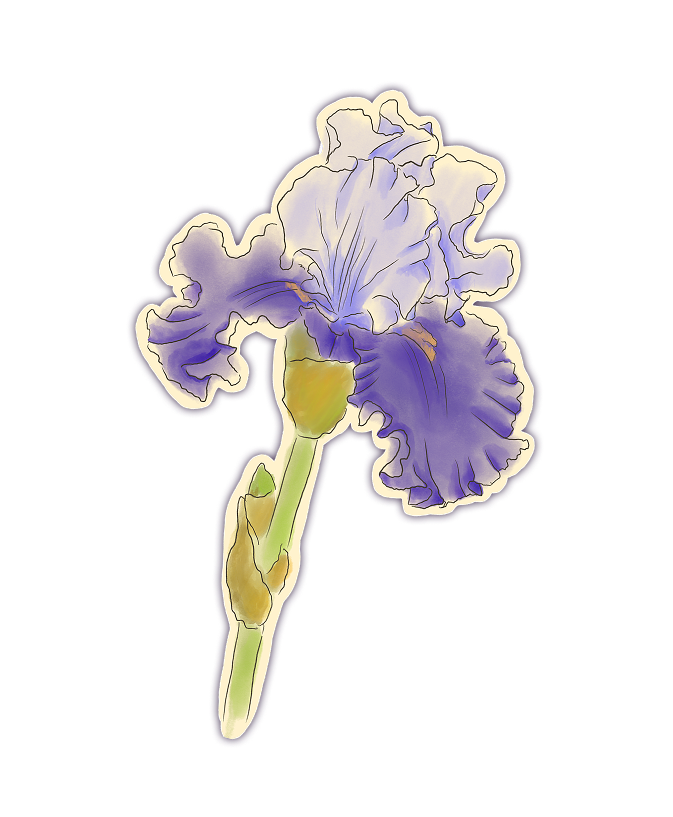

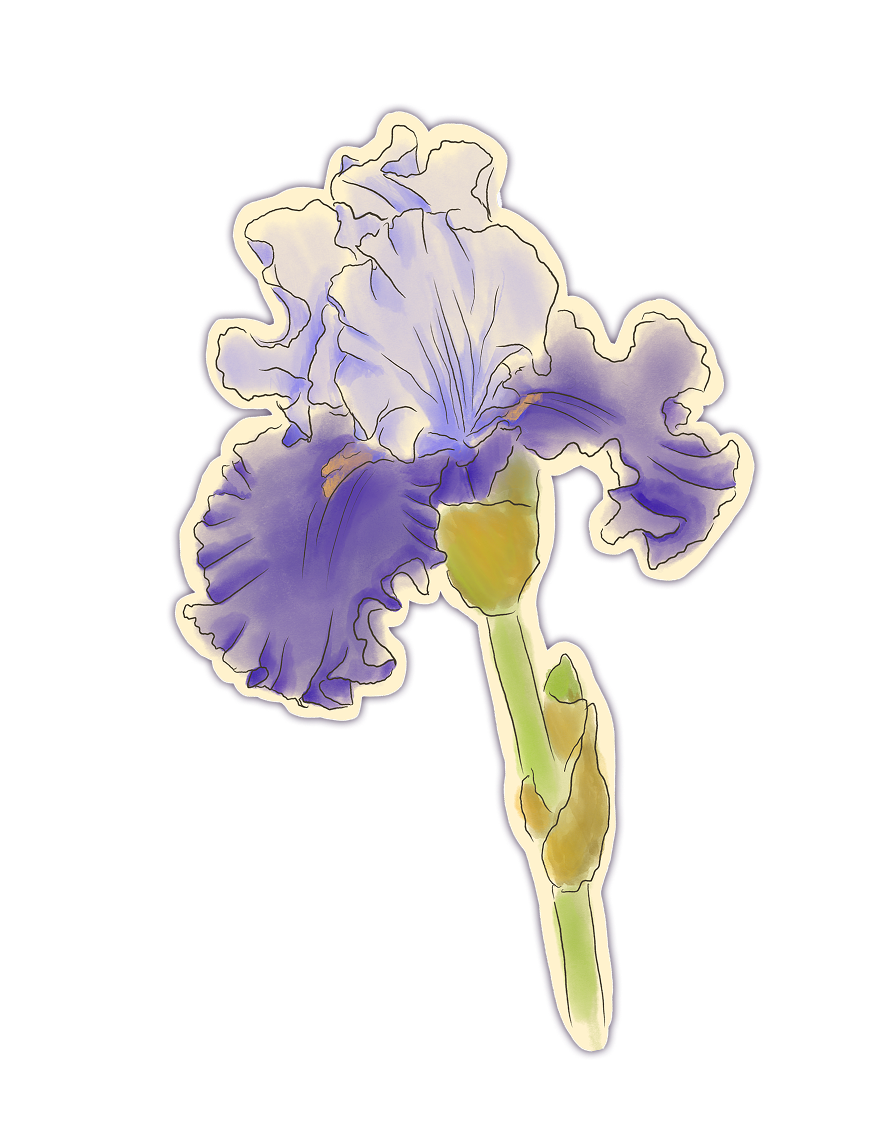
The Iris flower symbolizes faith, hope, wisdom and courage,
named after the Greek goddess of the rainbow, acting as a messenger between gods and mortals.
Different colours carry distinct meanings:
purple for royalty and wisdom,
blue for hope and faith,
white for purity and innocence,
yellow for passion and joy,
black for mystery and rebellion.
Irises also signify new beginnings, admiration, and honor, making them
popular for graduations, weddings, or expressions of support.
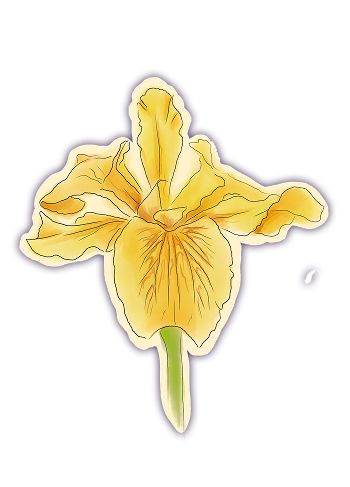
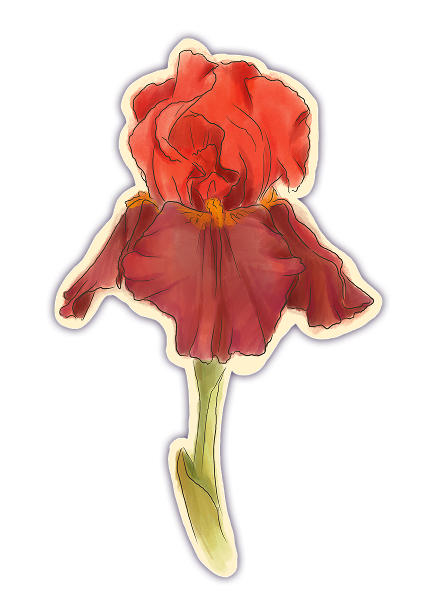
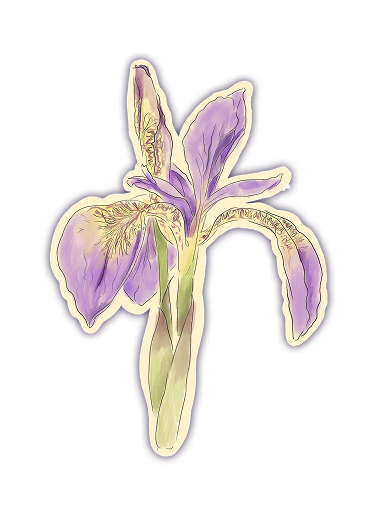

Iris flowers have diverse habitats, thriving in wet areas
like swamps, riverbanks, and meadows, as well as drier spots
such as rocky slopes, deserts, and hillsides,
across temperate regions of North America, Europe,
Asia, and Africa, generally preferring moist,
well-drained soil and sunlight.
Most irises do not like to be overly wet. Consistently water deeply, particularly during dry spells in summer.
Apply a layer of mulch around the base of the plant, which can help insulate the roots and prevent them from freezing. Use a layer of organic material, such as straw or shredded leaves, applied to a depth of 2-3 inches (5-7 cm).
Irises do not require much fertilizer. A balanced fertilizer (10-10-10) can be applied once in early spring before new growth emerges.
Divide iris clumps every 3-5 years in late summer or early fall. This will help rejuvenate the plant and promote healthy growth.
After the iris plant has finished blooming, remove the dead flowers and cut back the stalks to the base of the plant, taking care not to damage the leaves. Avoid cutting back the leaves too early, as they provide energy for the plant to store for next year's growth. Wait until the leaves start to turn yellow before cutting them back.
Remove spent blooms regularly to encourage new blooms and prevent seed formation.