Forms of ice

Icicles
Icicles are long, pointy pieces of ice that hang down, usually from roofs, gutters, tree branches, or cliffs. They form whens now or ice melts.

Frost
Frost is a thin layer of ice crystals that forms on cold surfaces like grass, flowers, windows, cars, or leaves usually overnight.
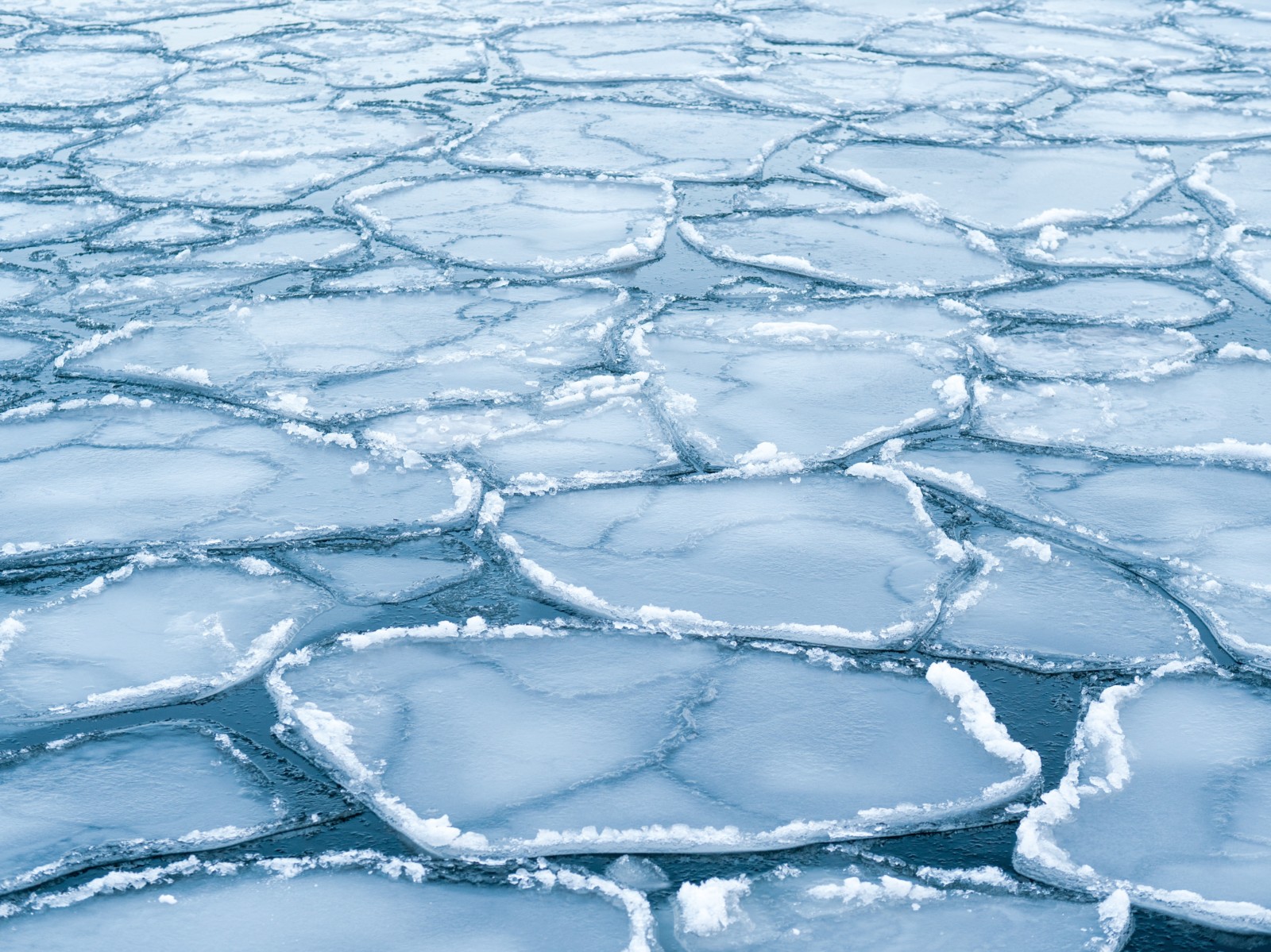
Sea Ice
Sea ice is frozen ocean water that forms in cold regions, mainly near the North and South Poles.

Dry Ice
Dry ice is frozen carbon dioxide. It’s extremely cold and turns directly from solid into gas (no liquid), creating a thick, fog-like mist.