cybercore x dinosaurus
Cybercore is a revivalist internet aesthetic that emerged around 2020 on Pinterest and TikTok. Inspired by the retro-futurism of the Y2K era, the style is a highly curated time capsule of early web graphics, digital escapism, celestial imagery, and 1990s to 2000s Japanese anime (most notably Neon Genesis Evangelion). The aesthetic leans into an ethereal, slightly melancholic mood. Standard color palettes rely on highly saturated blues, deep purples, and metallic silvers, usually combined with imagery of angels, flip phones, butterflies, and celestial objects.
Because the terminology overlaps, "Cybercore" is occasionally used as a generic synonym for actual Y2K. Cybercore, however, was pioneered almost entirely by a younger generation experiencing "anemoia," a profound nostalgia for an era of technology they were too young to actually experience. During the early 2020s, users on platforms like Pinterest and TikTok began archiving early web graphics, flip-phone photography, and late-90s anime screenshots.
As they curated these images, they intentionally stripped away the commercial optimism of the 2000s. The resulting aesthetic became highly selective, focusing only on the isolated ethereal and melancholic aspects of the early internet. Consequently, Cybercore is not a historical continuation of Y2K Futurism, but rather a modern introspective remix of its artifacts.
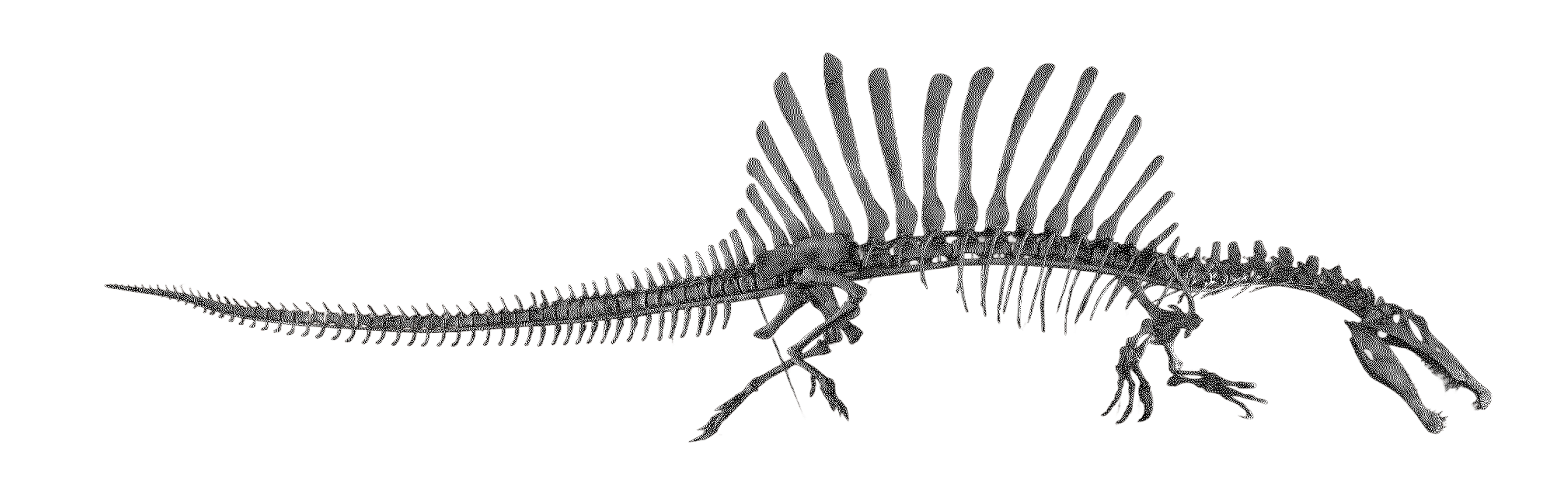
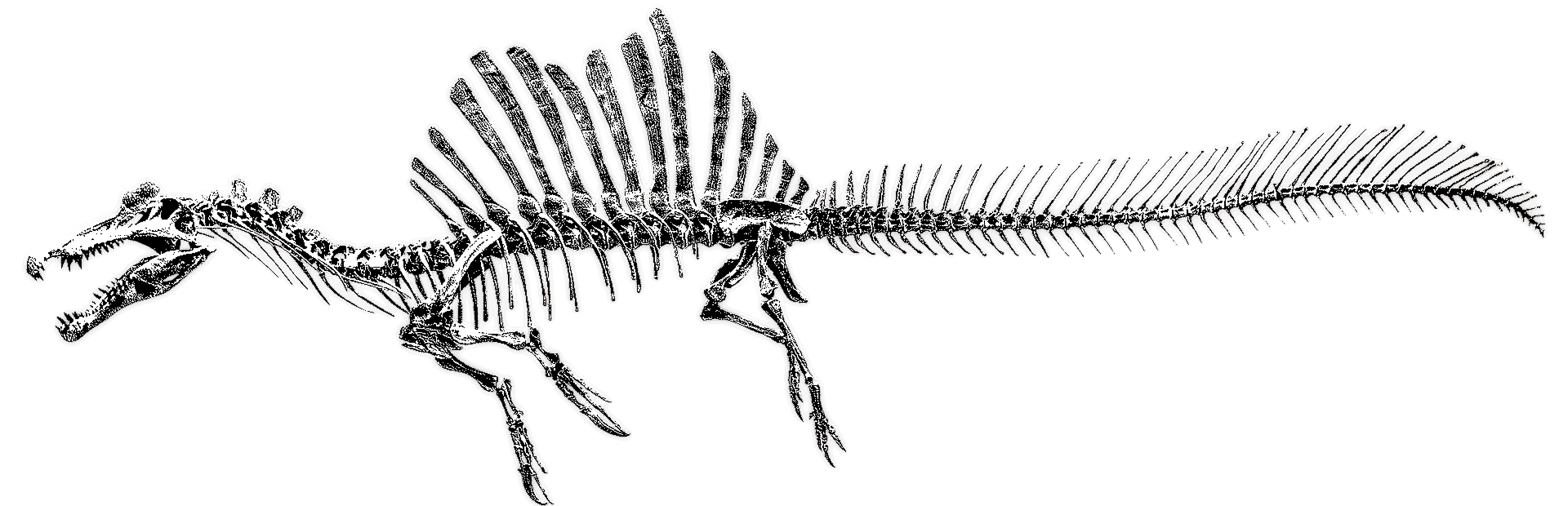
Multiple functions have been put forward for the dorsal sail, including thermoregulation and display; either to intimidate rivals or attract mates. The skull of Spinosaurus was long, low, and narrow, similar to that of a modern crocodilian.
Spinosaurus is known to have eaten both aquatic and terrestrial prey. Evidence suggests that it was semiaquatic, although the extent of its swimming capability has been strongly contested. It lived in a humid environment of tidal flats and mangrove forests alongside many other dinosaurs as well as fish, crocodylomorphs, squamates, turtles, pterosaurs, and plesiosaurs.

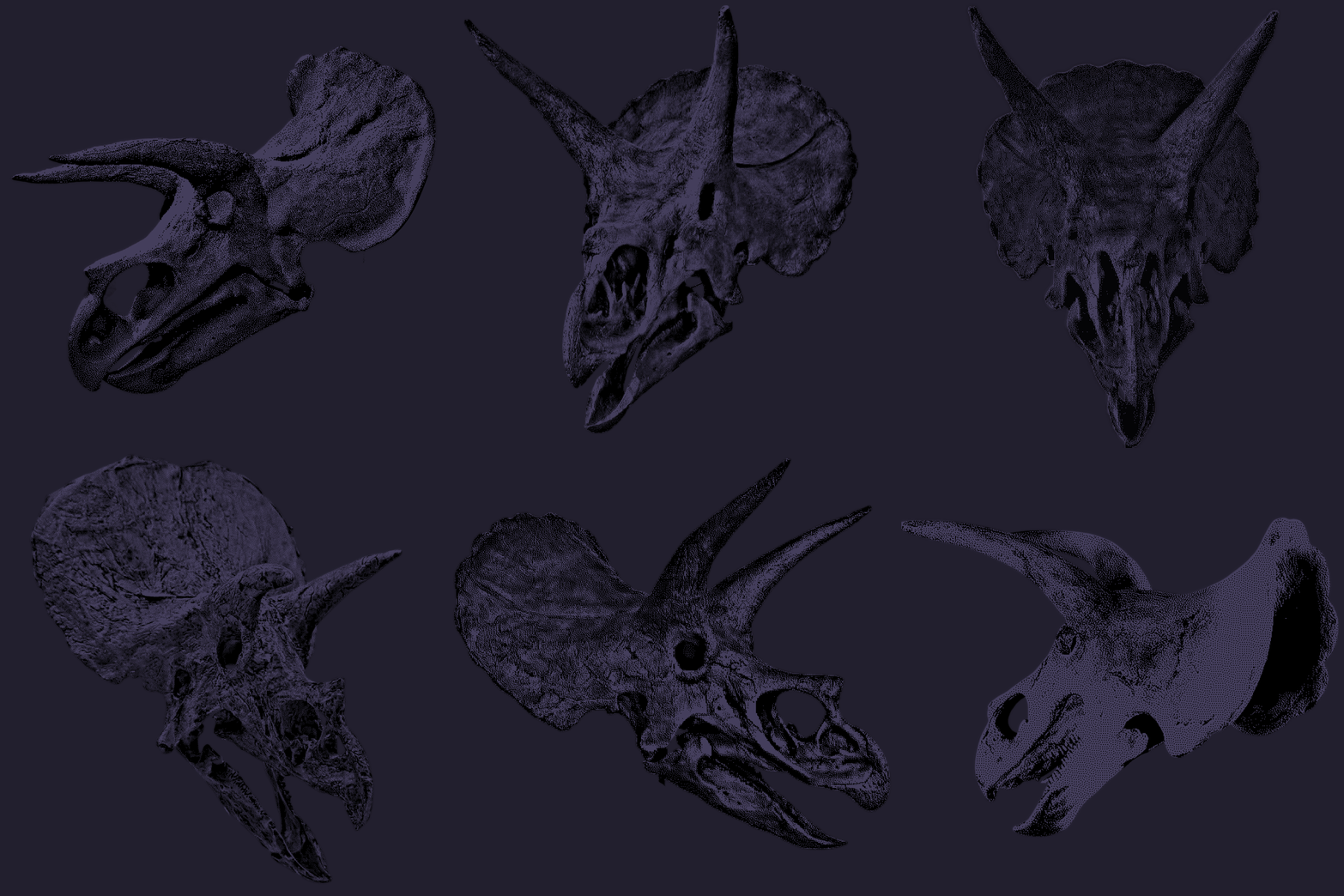
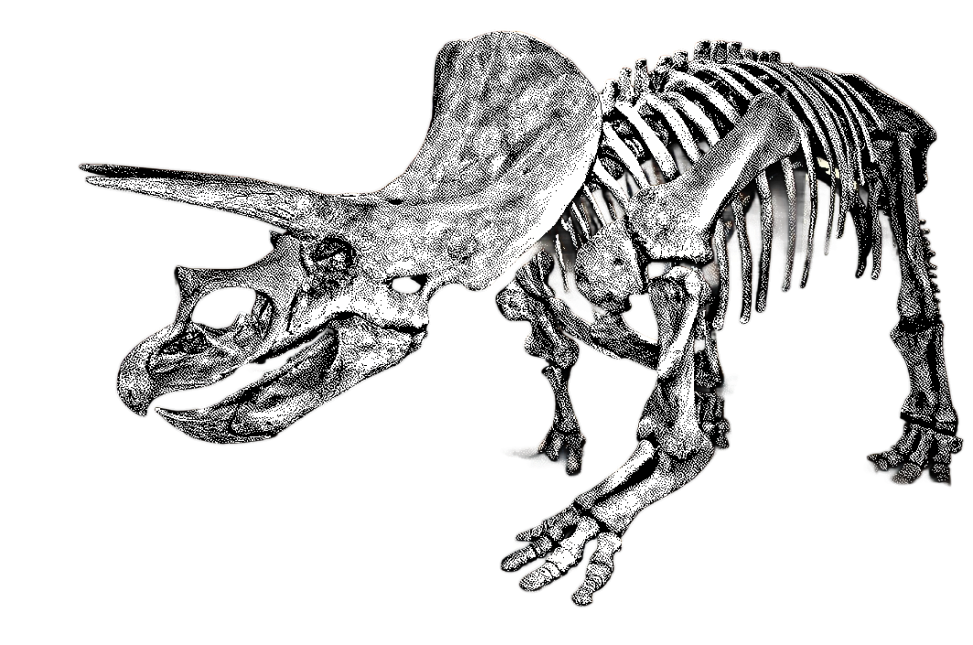
The functions of the frills and three distinctive facial horns on its head have inspired countless debates. Traditionally, these have been viewed as defensive weapons against predators. More recent interpretations find it probable that these features were primarily used in species identification, courtship, and dominance display.
Bearing a large bony frill, three horns on the skull, and a large, four-legged body, exhibiting convergent evolution with rhinoceroses, Triceratops is one of the most recognizable of all dinosaurs and the best-known ceratopsian. It was also one of the largest, measuring around 8-9m long and weighing up to 6-10t. It shared the landscape with and was most likely preyed upon by Tyrannosaurus.
The distinctive horns and the muscular neck may have been used in fighting others of its species. According to separate studies, rivaling individuals may have combated each other with quick head blows, by slow pushes with the upper sides of their skulls, or by ramming each other head-on, using their horns as shock absorbers.
The skeleton is preserved with extensive skin impressions, showing a mosaic of small, non-overlapping scales approximately 5 mm in diameter. The mosaic was interrupted by large bumps that lined the sides of the animal, and there are no hints of feathers.